Vily (Vila, Samovily, Samodivy) — Goddesses of Fate
- Main
- >
- Slavic Mythology
- >
- Slavic Pantheons of the Gods
- >
- Vily
 Vily
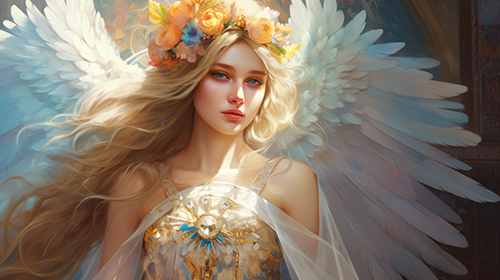
VilyThe Vily (also called vila, samovily, samodivy, syvyly, suzhenytsi, or sestrenytsi) are goddesses of fate in Slavic mythology. They are present at the birth of children, granting them a soul and determining their fate. They were also goddesses of music, poetry, dance, and song — deeply creative and skillful. In appearance, they are young, delicate, eternally youthful beauties with flowing, golden-shining braids, dressed in white or nearly translucent gowns. They live among the clouds, in forests, in bodies of water, and high in the mountains. They can fly, which is why some sources attribute wings to them. They possess magical powers of healing, and even of resurrecting the dead. The forces of nature and the elements are theirs to command.
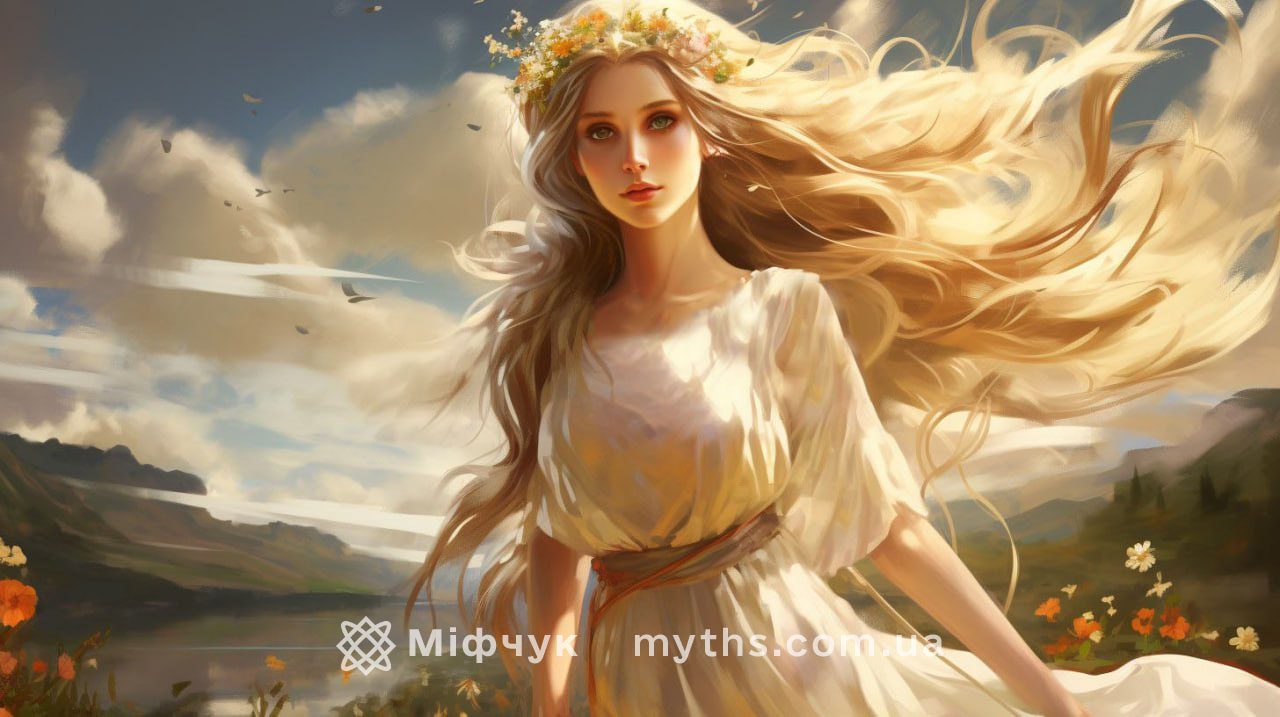 The Vily foretold one's life path
The ancient Slavs revered the Vily immensely, offering them sacrifices and calling them goddesses, or White Goddesses. They foretold a person's life path, granting luck, skill, inspiration, and all manner of talents. They were especially helpful to the despairing and to orphans, and could also heal the soul and prophesy the future.
One should not be fooled by their beautiful and charming appearance — among the Vily there are both kind and malicious ones, both fickle and cruel. They are very easy to offend or provoke, sometimes even through simple, innocent actions, after which they reveal their jealous, vengeful, and merciless nature.
 The Vily married mortals
They can marry mortal young men, making them happy for the rest of their lives. Children born of such a union possess supernatural abilities — but woe to the husband who fails to respect such a wife, or who betrays her. In that case, the cruelest punishments await him, with no chance of forgiveness.
It is believed that there were only 30 Vily in total, each with her own personal name — Dora, Dodona, Meta, Pelidona, Pyta, Yarovyla, Demovyla, Lipovyla, and others. They lived in forests and mountains, though it's also said that every major city had its own patron Vila, which suggests there may in fact have been far more of them.
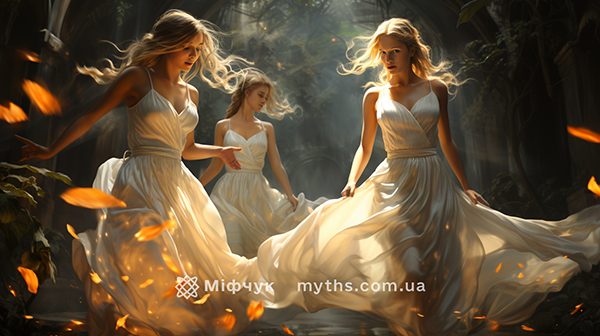 The Vily danced in the fields
Folk beliefs about the Vily varied somewhat by region. Some claimed they hid horse or goat hooves beneath their long skirts. Others believed they could kill with a single glance. They loved to dance in meadows and fields, trampling large circles into the ground — but anyone who spotted such dancers had to flee at once, for if the Vily noticed them, they would kill them or strike them mute. Mushrooms might sprout in circles at these sites, and the grass would either grow unusually lush or, conversely, become sparse. There is also a belief that one should avoid stepping into these dance circles, though the reason is never explained. However, if the Vily themselves invited someone to join their circle dance, they would make that person wise and quick to learn, care for and protect them, and in some cases even grant them the gift of prophecy and foresight. Such special treatment from the Vily was most often said to be reserved for handsome young men.
On the other hand, people also considered them benevolent healers of the sick. They were also said to know the healing properties of plants, to nourish the fields with rain, and to serve as patronesses of plants and trees.
 The Vily had wings
In older tales, the Vily were described as weightless — moving as lightly as a shadow, and flying through the air on their wings. Regarding these wings, there's even a belief that if you take a Vila's wings away, she will become human. And if you steal her clothes, she will submit and fulfill your every wish. This is exactly the plot of a Polish folktale about a swan maiden, in which a young man steals a Vila's clothes and wings, and later marries her.
Tracing all the mentions of the Vily in chronological order, they first appear as goddesses alongside the Rozhanytsi and Mokosh, granting life-giving moisture in the form of rain and dew, and serving as patronesses of springs and personifications of clouds. Over time, their image became less prominent and grew more similar to the Greek nymphs, who embody natural phenomena and forces. There are theories that the Vily are counterparts to the Sirens — supporting this, archaeological finds include ornaments depicting the Vily as winged beauties.
 The Vily, forerunners of the rusalky
Another theory holds that, over time, the Vily were reinterpreted and evolved into the rusalky. Their roles and imagery are very similar, and the very name "rusalka" has been linked to the Vily's birth from dew. Although the term "rusalky" itself does not appear under that name in medieval manuscripts, there are numerous mentions of "rusaliy" (a related festival term). Further support for this theory comes from regions that once told stories of the Vily, which now claim they are gone entirely — vanished, having flown off to the edge of the world, or into the sky.
Related Articles