Will-o'-the-Wisps — Spirits of the Restless Dead and Sinners
- Main
- >
- Slavic Mythology
- >
- Slavic Bestiary
- >
- Will-o'-the-Wisps
 Will-o'-the-wisps
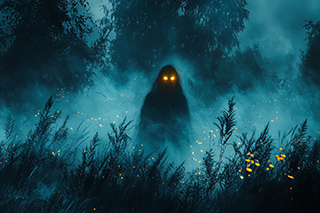
Will-o'-the-wisps are spirits of the restless dead and sinners in Slavic mythology. These lights can be seen at night in marshes, cemeteries, on roads, and in meadows, where they flicker and lure travelers toward them. In this way, the spirit can lead its victim into a natural or man-made trap from which there is no escape. In this, they closely resemble Blud, who can also transform into small flickering lights.
 Will-o'-the-wisps can strangle their victims
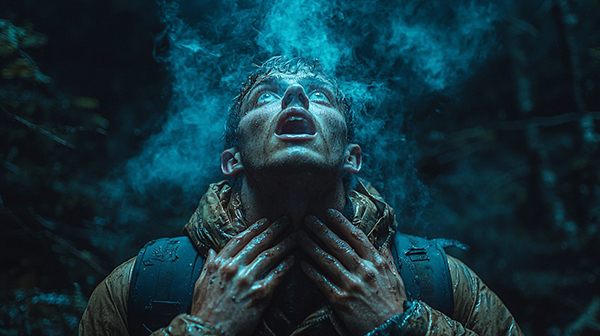
According to folk belief, these spirits have a visible human form, but from a distance only the glint of their eyes, clothing, a lantern or candle in their hands, or other flickering, floating, and vanishing objects can be seen. One version holds that the spirit clouds the mind, produces strange sounds, and can even strangle its victim. Another version claims that will-o'-the-wisps are an omen of death. It is also said that they appear above cursed treasures — to find such treasure one must make a sacrifice, though it will bring the finder no happiness.
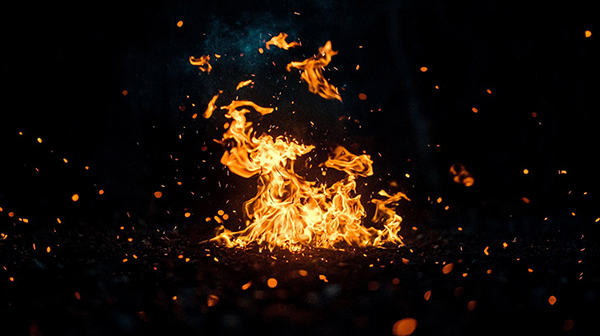
From a scientific standpoint, the phenomenon of will-o'-the-wisps is explained by the combustion of methane released during decomposition. The methane ignites from tiny sparks caused by the contact of a phosphine and oxygen mixture, which also forms through oxidation alongside the methane.
 Spontaneous methane ignition
Will-o'-the-wisps appear in the folklore of many peoples. They are frequently mentioned in literature and film. Warnings about them have passed down from generation to generation. This is no surprise, since behind the image of these mysterious mythical spirits lies a real, scientifically grounded danger that methane can pose to living organisms. So one should not dismiss our ancestors' warnings — if you encounter a will-o'-the-wisp, walk away from it at once.
Related Articles