Aengus (Aenghus, Óengus, Mac Óc) — the God of Youth and Love in Celtic Mythology
- Main
- >
- Celtic Mythology
- >
- Celtic Pantheon of Gods
- >
- Aengus
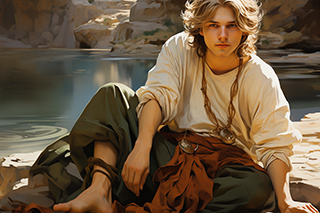 Aengus
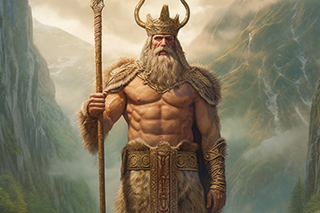
Aengus (Aenghus, Óengus, Mac Óc) is the god of youth and love in Celtic mythology, son of the god Dagda and Boann. Four beautiful birds ("kisses") always flew above his head, and whenever they sang, love would awaken in the hearts of young men and women.
Dagda fell in love with Boann, the wife of Elcmar. The love was mutual, but the woman feared angering her husband. So Dagda sent Elcmar away on an errand, expecting him to return by evening, and to buy more time, the god slowed the movement of the sun. In this way, a single day stretched to last a full nine months, and from their love, Aengus was born. His mother named him Mac Óc — "the young son" — and upon his birth she declared: "Truly a young son! Conceived at dawn and born after sunset." And so Aengus was born on the very day he was conceived.
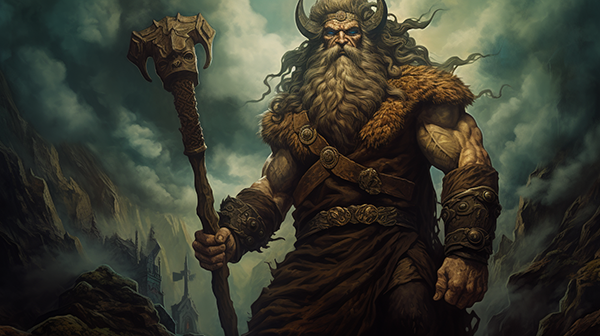 Dagda
DagdaOnce, Aengus slept for an entire year. In his dream, he saw a beautiful maiden standing by his bed. But every time he tried to touch her, she vanished. Aengus fell in love with her, and when he woke, he set out to find her, but could not. Because of this, he grew terribly sorrowful and fell ill.
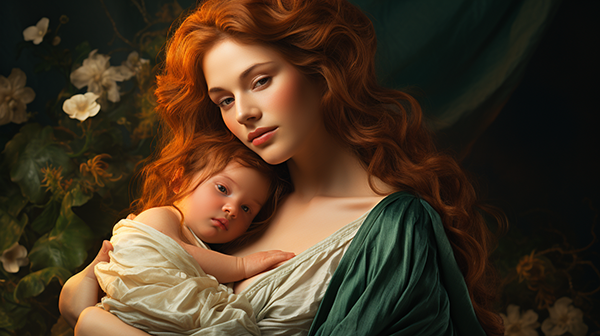 Boann and her son Mac Óc
Dagda decided to help his son, and through the wise Bodb learned that the maiden's name was Caer, daughter of Ethal. But Ethal refused to give up his daughter, which forced Dagda to wage war on him and take him hostage. It was then revealed that Caer was in truth a swan, able to take human form for only one day each year, during the festival of Samhain. To take her as his wife, Aengus had to recognize her among 150 other swans on a lake. Aengus went to the lake and recognized Caer, but the moment he touched her, he too transformed into a swan. Together, singing, they flew off to Aengus's domain, and anyone who heard their beautiful, love-filled song fell asleep for three days.
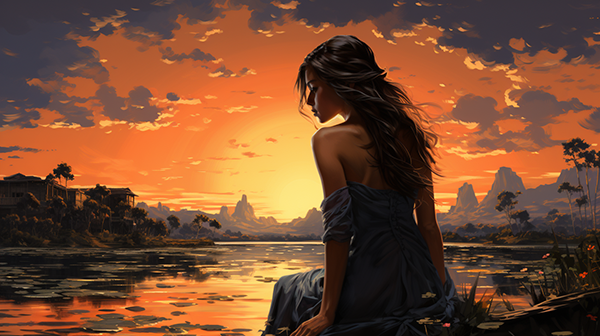 Caer, the swan maiden
Samhain, or Samain, is a Celtic festival marking the end of the agricultural year. It was celebrated over seven days, with the peak of the festival always falling on the night of October 31st into November 1st. Under Christianity, the festival was transformed and is now known as All Saints' Day (Halloween).
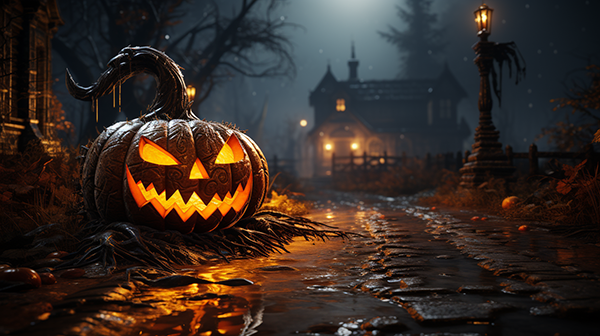 Samhain, or Samain — a Celtic festival
Another myth ties Aengus to the festival of Samhain. Dagda divided all the sídhe among the tribes (the Tuatha). The sídhe are hills in Ireland believed to hold magical power, connecting the mortal world with the otherworld. Together with the fertile lands surrounding them, they served as the domains of individual tribes.
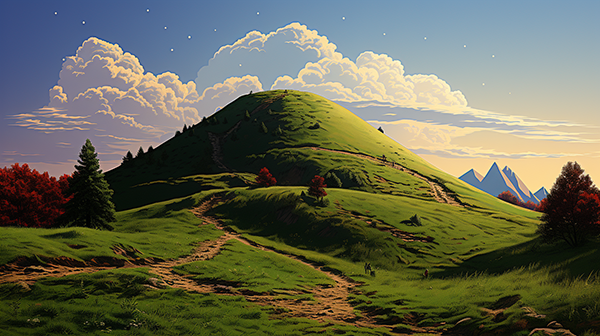 The sídhe — hills of Ireland
Aengus came to his father on the eve of the Samhain festival and asked for a sídhe of his own, but Dagda refused, since none remained unclaimed. Aengus then asked to be given his father's own sídhe, Brú na Bóinne on the River Boyne, for just one day. Dagda agreed, and the next day asked for his sídhe back, to which his son replied: "At Samhain, day and night both mean eternity, and time itself disappears." The father accepted his son's argument and left him the sídhe forever.
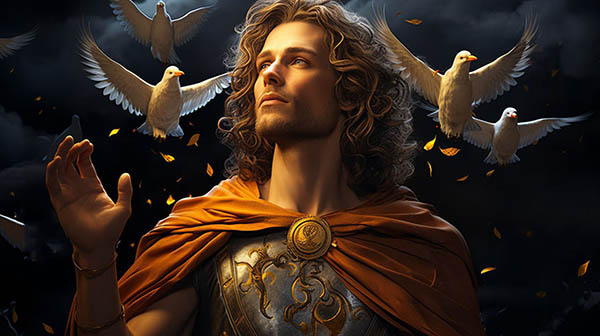 Aengus — god of youth and love
The god Aengus appears in many Celtic myths concerned with love. In them, he always stands on the side of lovers, doing everything he can to help a couple resolve their troubles. Sometimes it doesn't fully work out, and the story ends in tragedy, but the god still holds a good reputation and never gives up. For to him, love matters above all else.
Related Articles