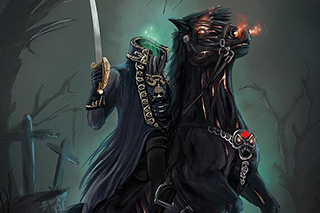
The Dullahan is an evil spirit from Irish mythology, appearing as a headless horseman who rides a black horse or chariot....
Read more
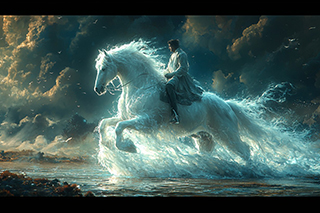
The kelpie is a water spirit in Scottish mythology, usually described as a white or black horse that roams along lakes and rivers....
Read more
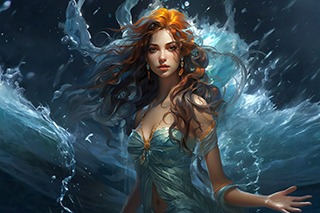
The aguane is a mountain spirit in Celtic mythology. She dwells on the slopes of the Alps and appears as a beautiful, long-haired maiden....
Read more
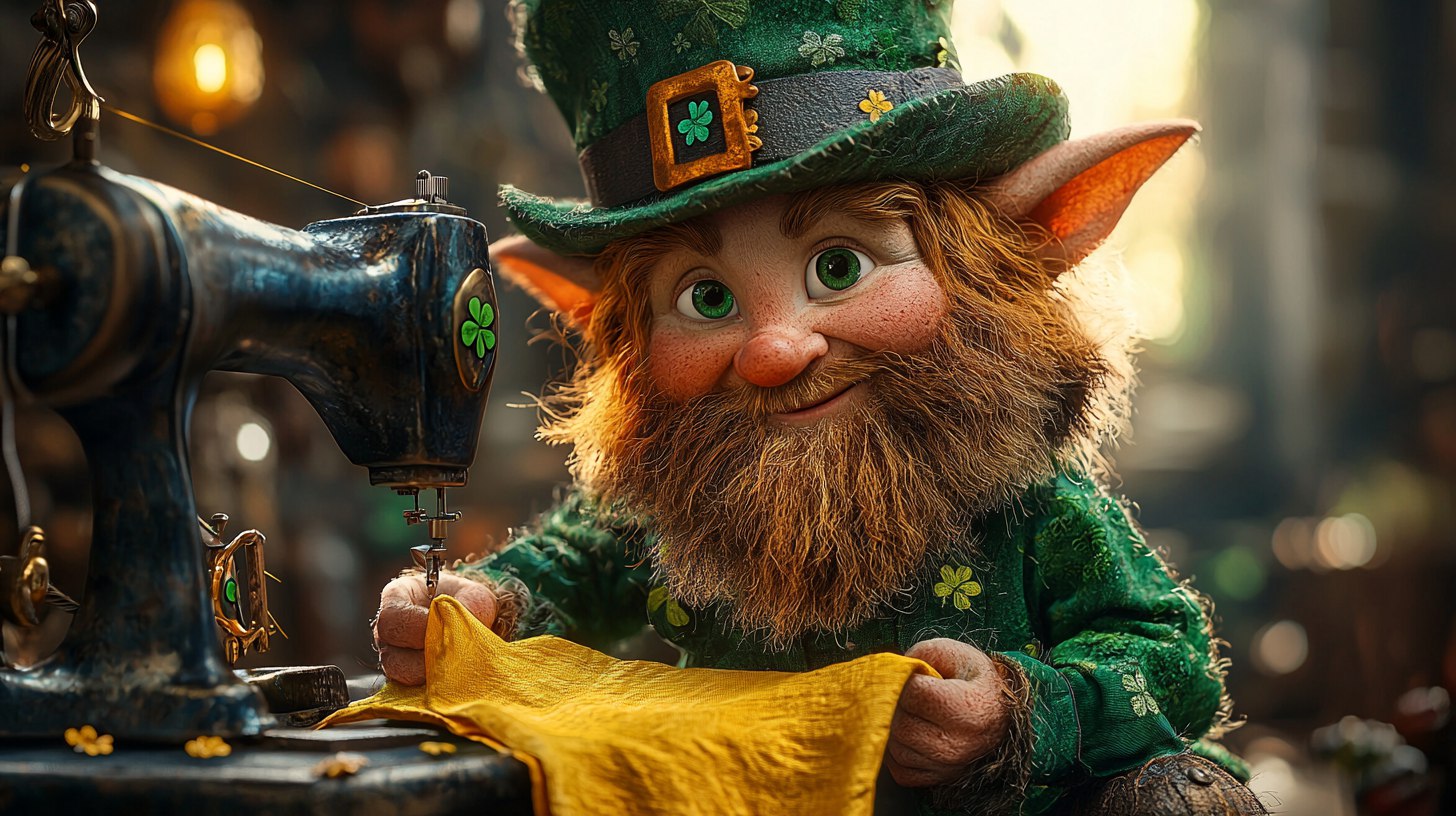
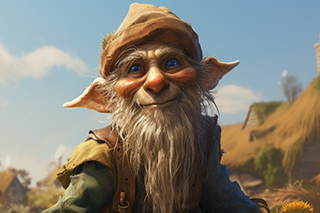
The leprechaun is a mythical creature of Irish mythology, belonging to the class of solitary fairies. He appears as a small, bearded man, dressed entirely in green, with a cap or hat upon his head....
Read more
The ogre is the evil, hideous man-eating giant of Celtic mythology, standing 2 to 4 meters tall, immensely strong, but mentally slow, and easily tricked or deceived....
Read more
The Killmoulis is a little-known household fairy in British folklore, similar in ability to the brownie. It usually sleeps in the stove or fireplace....
Read more
The banshee is a spirit in Irish mythology and an omen of death. She would appear at night near the homes of those who were soon to die. She would stand or sit nearby, making sounds like a moan, a cry, a howl, or....
Read more
Brownies are household helper spirits in the folklore of Scotland and northern England, a kind of fairy. They got their name from the brown color of their skin or the fur that covers their bodies....
Read more
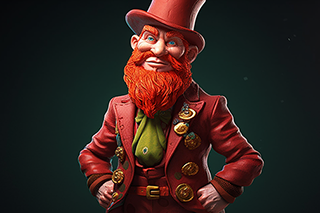
The Clurichaun is a creature from Irish mythology who lives in the cellar and watches over the stores of beer or wine. He appears as a small old man with a red beard, dressed in red....
Read more
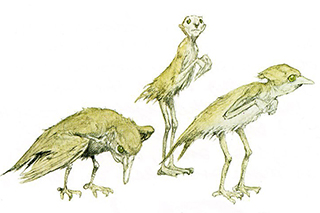
Hyter sprites are fairies of Lincolnshire and East Anglia, described as small, red-haired spirits with green eyes and the ability to transform into birds....
Read more
 Celtic Bestiary of Creatures and Monsters
Unlike the vast array of heroes and characters in Celtic mythology, less emphasis is placed on fantastical creatures and monsters. Perhaps the Celts were more captivated by stories grounded in human experience. Nevertheless, there are beings within their lore that astonish with their uniqueness and have no clear counterparts in the mythologies of other cultures.
One such group of creatures were the Fomorians—demonic beings and the principal enemies of the Tuatha Dé Danann, the tribe of the goddess Danu. They were described as monstrous figures with a single arm, one eye, and one leg. The name “Fomorians” is often interpreted as “sea monsters.” Their grotesque appearance was explained by the belief that parts of their bodies remained in another realm—their native world—and only when they returned there did they appear whole. These beings have distant parallels in other mythologies: the Jotnar in Norse myth, certain Titans in Greek tradition, and even entities in some African tribal beliefs.
The Celts also envisioned a wide-ranging and diverse group of mystical beings collectively known as the Fairy Folk or Fae. This category included numerous magical and enigmatic creatures such as fairies, leprechauns, elves, brownies, and many others. We will explore them in much greater detail, as this group contains both well-known classic beings and rare, lesser-known ones that reflect the richness and imagination of Celtic folklore.