Ichneumon (the Egyptian Mongoose, or Pharaoh's Rat)
- Main
- >
- Egyptian Mythology
- >
- Egyptian Bestiary of Creatures and Monsters
- >
- Ichneumon
 Ichneumon
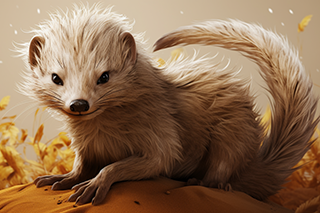
The ichneumon (Egyptian mongoose, or Pharaoh's rat) was a sacred animal to the ancient Egyptians, belonging to the mongoose family. This predator was revered above all as a slayer of serpents. In one myth, Ra takes the form of an ichneumon to battle and defeat Apep (Apophis). The animal is easily tamed, so it was often kept in homes to protect against snakes and rats. When an ichneumon died, it was mummified and buried in a sacred place.
But how exactly did the ichneumon manage to hunt snakes, most of which in Egypt were venomous? This creature is in fact remarkably clever, and always prepares before facing its enemy. The ichneumon wets its fur with water, then coats itself in earth or mud, and waits for the fur to dry in the sun, hardening into a kind of armor. Only then does it set out to hunt. A snake cannot bite through such armor, leaving only the animal's muzzle unprotected — but the clever creature shields that with its tail.
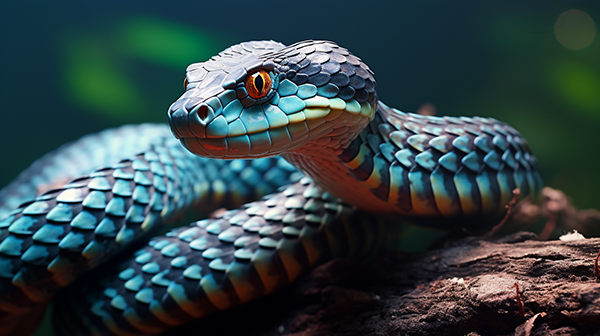 The ichneumon hunts snakes
If the serpent is significantly larger than the ichneumon, the animals attack in a group. Within this group, one individual leads the attack while the others provide support, leaving their opponent no chance of escape.
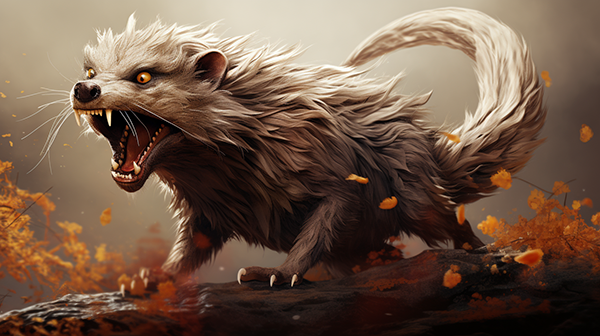 The Egyptian mongoose
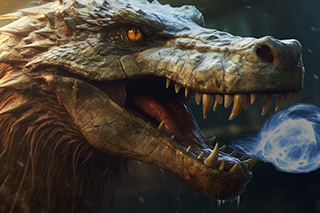
This animal is even credited with victories over crocodiles. When a crocodile sleeps, it typically opens its jaws and lets birds clean its teeth. The ichneumon, once again coated in mud, takes advantage of this and leaps into the crocodile's open mouth. It then tears apart the animal's insides from within, defeating what at first glance seems like an unbeatable beast. It's not entirely clear whether such encounters were purely mythical invention or actually occurred between these animals — but such accounts appear in the writings of many ancient historians and notable figures, despite the fact that crocodiles have no active natural enemies.
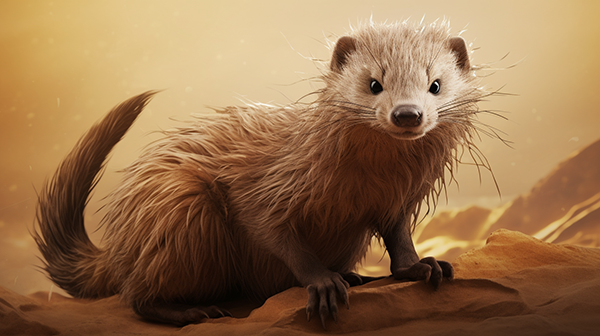 Pharaoh's rat
The Egyptians also attributed the act of tearing a crocodile apart from within to another mythical creature — the Hydrus, or water serpent. When the Hydrus spots a crocodile with its jaws open, it coats itself in mud to slip more easily into the crocodile's mouth, and then does exactly what the ichneumon does. It's not entirely clear which myth — the one about the Hydrus or the one about the ichneumon — came first. Perhaps it's simply the evolution of a single myth that changed its main character over time. Interestingly, the Greeks took a great liking to the Hydrus, transforming it into the Lernaean Hydra, whose defeat was immortalized as the second labor of Heracles.
Modern mongooses live throughout many regions of Africa and beyond, doing exactly what they did thousands of years ago — hunting rats and snakes, as well as feeding on the eggs of snakes and crocodiles. For this, they are still highly valued today, and hunting them is banned in most countries. Perhaps some mongooses still remember their brave ichneumon ancestors, eyeing sleeping crocodiles with curious interest…
Related Articles