The Gundestrup Cauldron — a Decorated Silver Cauldron
- Main
- >
- Celtic Mythology
- >
- Celtic Rituals, Festivals, Traditions and More
- >
- The Gundestrup Cauldron
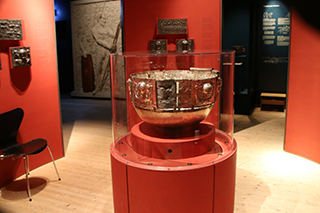 The Gundestrup Cauldron
The Gundestrup Cauldron is a decorated silver cauldron, crafted around the 1st century BCE. It belongs to the culture of the Celtic tribes. The cauldron measures 69 cm in diameter and 42 cm in height, and weighs roughly 9 kg. It was made from gilded sheets of silver. The cauldron was discovered in 1891 in a peat bog near the village of Gundestrup in Denmark, found disassembled: 5 long inner plates and 7 short outer plates, along with 1 round plate, 2 fragments of tubing, and a curved base in which everything had been packed. Scholars suspect that an eighth plate, needed to complete the full set, is missing.
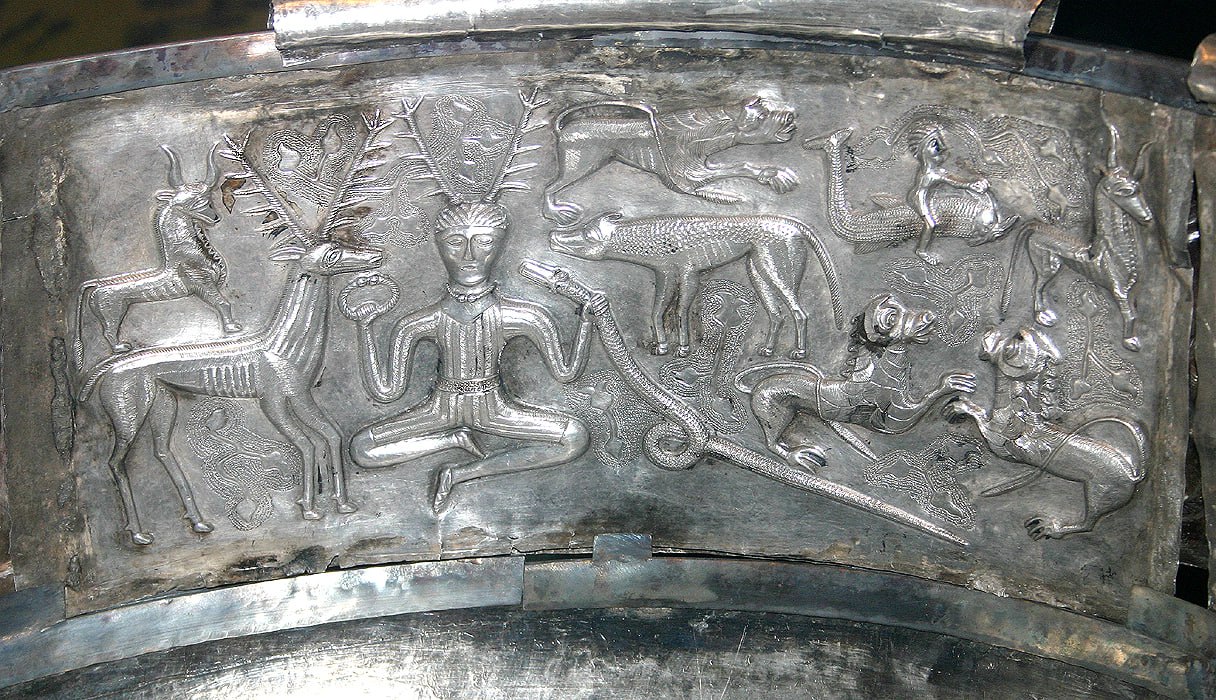 The sides of the cauldron
It is believed that the cauldron was deliberately taken apart, carefully packed, and buried. The inner plates depict scenes from myths and ritual events, while the outer plates show images of Celtic gods and goddesses. For example, according to some sources, the antlered figure represents Cernunnos, the ancient Celtic god of flora and fauna. The bottom of the cauldron depicts a great bull being offered as a sacrifice.
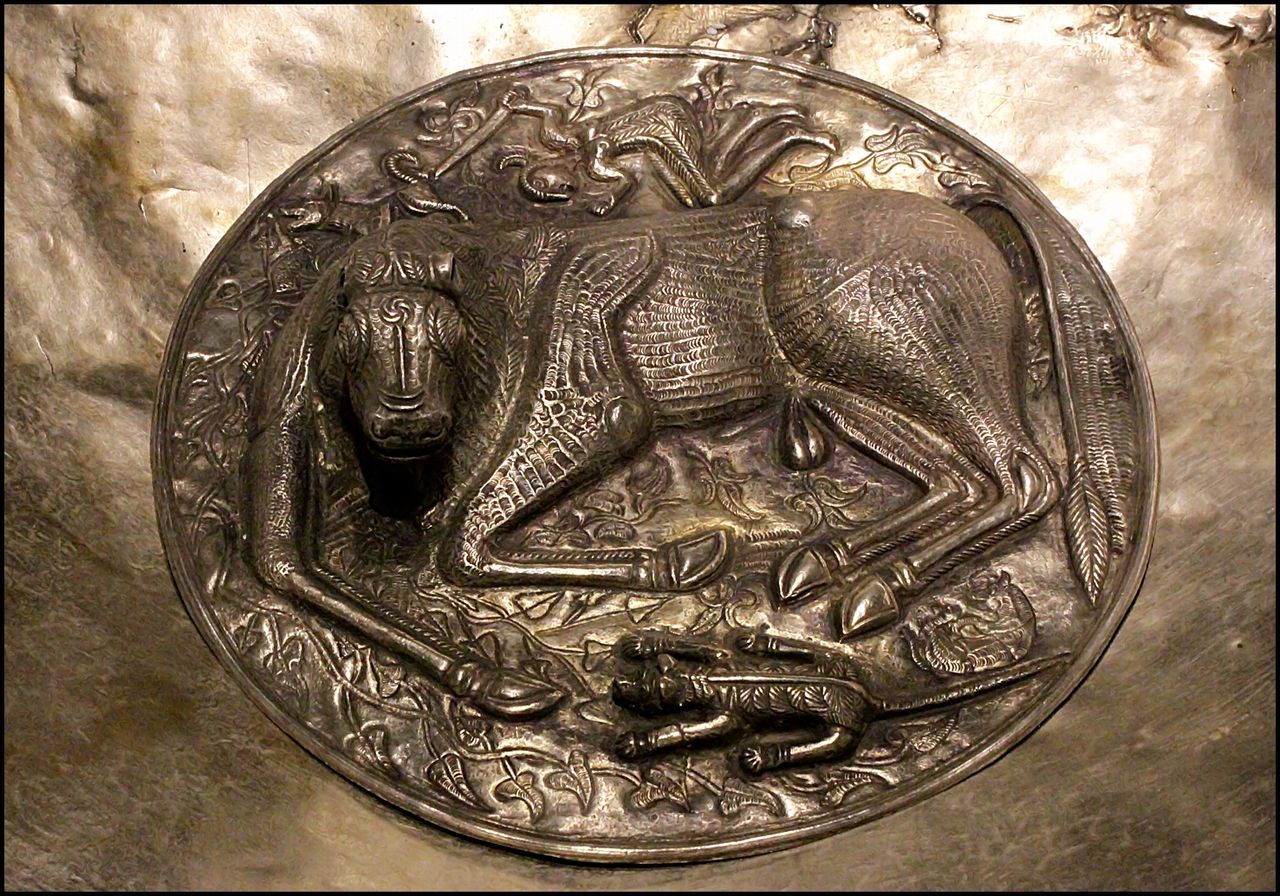 The bottom of the cauldron
It is worth noting that attempts to closely link these scenes to Celtic mythology remain a matter of debate, given the mix of cultural influences visible in the imagery. The cauldron is displayed at the National Museum of Denmark, with copies also held in other museums.
Related Articles