Norse Rituals, Festivals, Traditions and More
- Main
- >
- Norse Mythology
- >
- Norse Rituals, Festivals, Traditions and More
 Norse Rituals, Festivals, Traditions and More
Unlike many other cultures, the ancient Scandinavians did not construct monumental temples for worship. Instead, they favored more intimate forms of devotion — often held in sacred groves or small shrines. However, scholars have confirmed the existence of one large sanctuary known as Skíringssalr.
Norse culture was deeply influenced by shamanistic practices. Priests were often women, responsible for conducting sacrifices and presenting offerings to the gods.
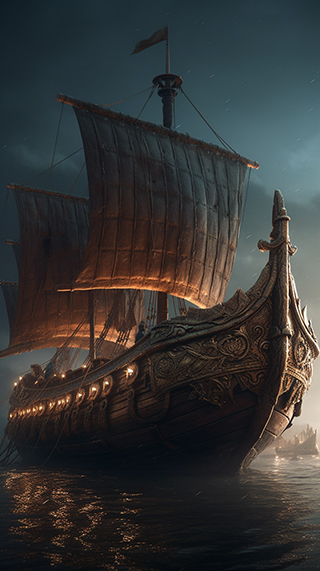
From Norse myths and legends, we can infer that human sacrifices were not a common practice. However, in rare cases, they did occur. One such account comes from the Arab traveler and writer Ahmad ibn Fadlan, who described a ritual where a young slave voluntarily chose to accompany her master on a ship burial. Another mention refers to King Aun, who reportedly sacrificed his sons in exchange for prolonging his own life.
In upcoming articles, we will delve deeper into the details of Norse rituals and ceremonies. Unfortunately, very little direct information about them has survived to our time.